
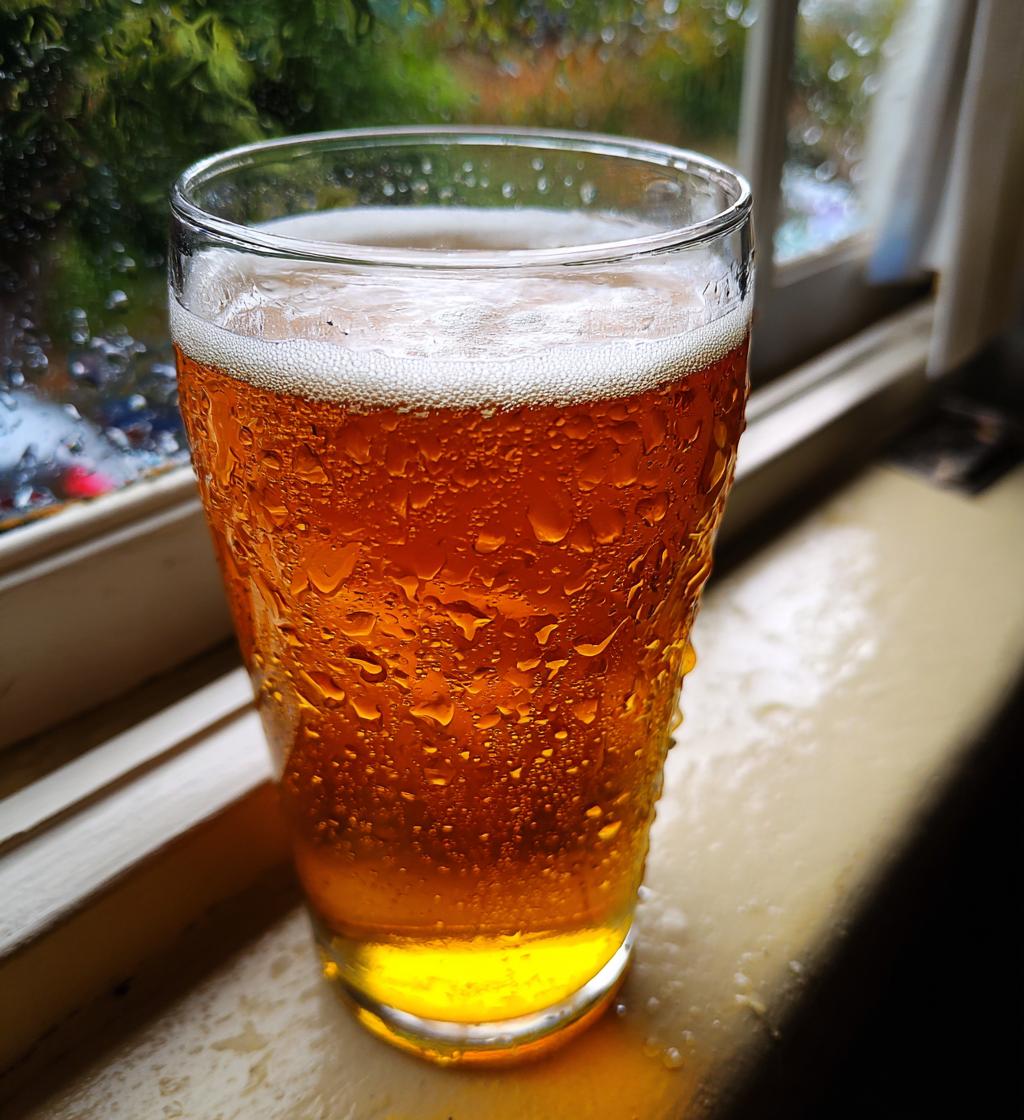
There’s something magical about brewing your own pivo at home—trust me, after five years of experimenting with batches, I still get giddy watching those bubbles form during fermentation! This traditional European beer is more than just a drink; it’s a labor of love, with each sip carrying the pride of crafting something uniquely yours. Whether you’re a first-timer or a seasoned brewer, this recipe delivers that rich, malty flavor you crave, all while keeping the process simple and rewarding. Let’s dive in—your homemade pivo adventure starts here!
Why You’ll Love This Pivo Recipe
- Bold, authentic flavor: This isn’t just beer—it’s that deep, malty taste you get from old-world pubs, right in your kitchen.
- Simple, natural ingredients: No weird additives here—just barley, hops, water, and yeast. (Yes, it’s that straightforward!)
- The thrill of tradition: You’re not just making beer; you’re keeping a centuries-old craft alive. How cool is that?
- Customizable to your taste: Love hoppy bitterness? Add more. Prefer it smooth? Adjust the boil time. It’s YOUR pivo.
- Bragging rights included: Wait till you see your friends’ faces when you say, “Oh, this? I brewed it myself.”
Ingredients for Pivo
- 4 cups malted barley (crushed—trust me, this helps release all that sweet, fermentable goodness)
- 1 oz hops (pellets or whole-leaf—I’m partial to Saaz for that classic earthy bite)
- 1 gallon water (filtered if your tap water tastes funky)
- 1 packet brewer’s yeast (don’t skimp—this tiny hero does all the heavy lifting!)
That’s it! No fancy extras, just four humble ingredients that transform into liquid gold. Pro tip: If your barley isn’t pre-crushed, give it a quick blitz in a food processor—just don’t turn it to dust!
Equipment Needed for Brewing Pivo
- 5-gallon stainless steel pot (for mashing and boiling—no plastic, please!)
- Fermentation vessel (a glass carboy or food-grade bucket with an airlock—trust me, bubbles mean happiness)
- Hydrometer (your fermentation detective—this little gadget tells you when your pivo is ready)
- Bottles with caps (swing-tops or crown caps—just make sure they’re clean and sturdy)
- Strainer or mesh bag (to keep barley bits out of your liquid gold)
No need for fancy gear—if you’ve got these basics, you’re all set for pivo magic. Bonus points for a thermometer, but your wrist can test “hot but not scalding” in a pinch!
How to Make Pivo
- Heat water to 150°F in a large pot. Use a thermometer—getting this right is key! Too hot, and you’ll extract tannins (nobody wants bitter tea-flavored pivo).
- Add malted barley and steep for 1 hour. Stir occasionally like you’re coaxing out all that malty sweetness. The water will turn a gorgeous amber—that’s your future beer!
- Strain out the barley and bring the liquid to a boil. Squeeze the barley gently (it’s okay to be a little ruthless here for every last drop).
- Add hops and boil for 1 hour. Set a timer! Hops added early = bitterness; late = aroma. I toss mine in at the start for that classic pivo punch.
- Cool the mixture to 70°F. Speed this up by placing the pot in an ice bath—patience prevents unhappy yeast!
- Transfer to a fermentation vessel and add yeast. Sanitize everything first (seriously, contamination is the boogeyman of brewing). Sprinkle yeast like fairy dust and seal with an airlock.
- Ferment for 2 weeks. Bubbles in the airlock? That’s your yeast throwing a party! Check gravity with a hydrometer after day 10—if it’s stable for 2 days, it’s ready.
- Bottle and condition for another 2 weeks. Add a pinch of sugar to each bottle for natural carbonation. Store upright—exploding pivo is only fun in theory.
Step 1: Mashing the Barley
This is where flavor magic happens! Heat your water to exactly 150°F—use a thermometer, because guessing can lead to astringent pivo (yuck). Add the crushed barley and stir well. Let it steep for 1 hour, stirring occasionally. Think of it as making the world’s most rewarding tea. When done, strain through a mesh bag, squeezing gently—don’t leave any sugar behind!
Step 4: Boiling and Adding Hops
Once your liquid (now called „wort”) is boiling, add the hops and set a timer for 60 minutes. This boil sterilizes the wort and extracts bitterness from the hops. Pro tip: If foam rises threateningly, just stir it down—no need to panic. The smell? Heavenly. Like a European brewery exploded in your kitchen.
Step 6: Fermentation
Sanitize everything—your vessel, spoon, even the airlock—then transfer the cooled wort. Sprinkle yeast on top (no stirring needed!) and seal it up. Store at room temperature (68–72°F) for 2 weeks. Check gravity with a hydrometer; if readings match for 2 straight days, fermentation’s done. No peeking early—yeast hates distractions!
Pivo Brewing Tips for Success
- Sanitize like a surgeon: One stray germ can ruin your batch—I soak everything in sanitizer solution (even the spoon!) before touching the wort.
- Fermentation patience pays off: That bubbling airlock is mesmerizing, but resist opening the vessel! Trust the yeast—they work best undisturbed.
- Bottles upright, always: Store them standing tall to keep sediment settled at the bottom. Tilted bottles = cloudy first pours.
- Label your batches: Write the brew date on bottles with a marker. Future-you will thank past-you when choosing the perfect aged pivo.
Pivo Variations
- Hoppy twist: Swap earthy Saaz hops for citrusy Cascade or floral Hallertau—each adds a whole new personality to your pivo.
- Fruit infusion: Toss in a handful of crushed raspberries or orange peel during fermentation for a fruity kick (my summer batch with cherries? Legendary).
- Spiced charm: Add a cinnamon stick or star anise to the boil for a cozy, winter-ready brew. Just don’t tell the purists!
Tradition’s great, but rules are made for bending—your pivo, your adventure!
Serving and Storing Pivo
- Serve it right: Chill your pivo to 45°F—that sweet spot where flavors sing. Pour into a glass mug (no cans here!) to let the aroma bloom.
- Storage smarts: Keep bottles in a cool, dark place (a basement or closet works). They’ll stay happy for up to 6 months—if you can resist drinking them that long!
Pro tip: Sediment at the bottom? Pour slowly and leave the last sip—it’s just yeast saying hello.
Pivo Nutrition Notes
Nutrition varies slightly by ingredients, but here’s the ballpark per 12 oz: 150 calories and 13g carbs. Not bad for a sip of homemade joy, right?
Common Questions About Pivo
Can I use dry yeast?
Yes, but brewer’s yeast is specially designed for beer and gives better flavor. If you’re in a pinch, dry yeast works—just don’t tell my Czech grandma I said that!
How do I know when fermentation is done?
Your hydrometer is your best friend here. Take readings two days apart—if they’re the same, your yeast has finished its happy dance. Bubbles in the airlock slowing down? Another good clue!
Can I skip bottling?
Nope! Bottling is where the magic of carbonation happens. Without sealing it up with a bit of sugar, you’ll end up with flat pivo (and where’s the fun in that?). Trust me, the wait is worth it.
Why does my pivo taste sour?
Uh-oh—sounds like contamination snuck in. Next time, sanitize like your pivo’s life depends on it (because it kinda does). Toss this batch and channel your inner clean freak on the next one!
Share Your Pivo Experience
Did your pivo turn out hoppy, smooth, or somewhere in between? I’d love to hear about it! Snap a pic, tag me, or leave a rating—nothing makes me happier than seeing your brewing triumphs. Cheers!
Print
Brew Perfect Pivo in 5 Simple Steps – A Bold Homemade Beer
- Total Time: 4 weeks (including fermentation)
- Yield: 1 gallon 1x
- Diet: Vegetarian
Description
A traditional fermented alcoholic beverage made from malted barley, hops, water, and yeast.
Ingredients
- 4 cups malted barley
- 1 oz hops
- 1 gallon water
- 1 packet brewer’s yeast
Instructions
- Heat water to 150°F in a large pot.
- Add malted barley and steep for 1 hour.
- Strain out the barley and bring the liquid to a boil.
- Add hops and boil for 1 hour.
- Cool the mixture to 70°F.
- Transfer to a fermentation vessel and add yeast.
- Ferment for 2 weeks.
- Bottle and condition for another 2 weeks.
Notes
- Use a hydrometer to check fermentation progress.
- Sanitize all equipment to prevent contamination.
- Store bottles in a cool, dark place.
- Prep Time: 1 hour 30 minutes
- Cook Time: 1 hour
- Category: Beverage
- Method: Fermentation
- Cuisine: European
Nutrition
- Serving Size: 12 oz
- Calories: 150
- Sugar: 1g
- Sodium: 10mg
- Fat: 0g
- Saturated Fat: 0g
- Unsaturated Fat: 0g
- Trans Fat: 0g
- Carbohydrates: 13g
- Fiber: 0g
- Protein: 1g
- Cholesterol: 0mg
Keywords: beer, homebrew, pivo, malt, hops