
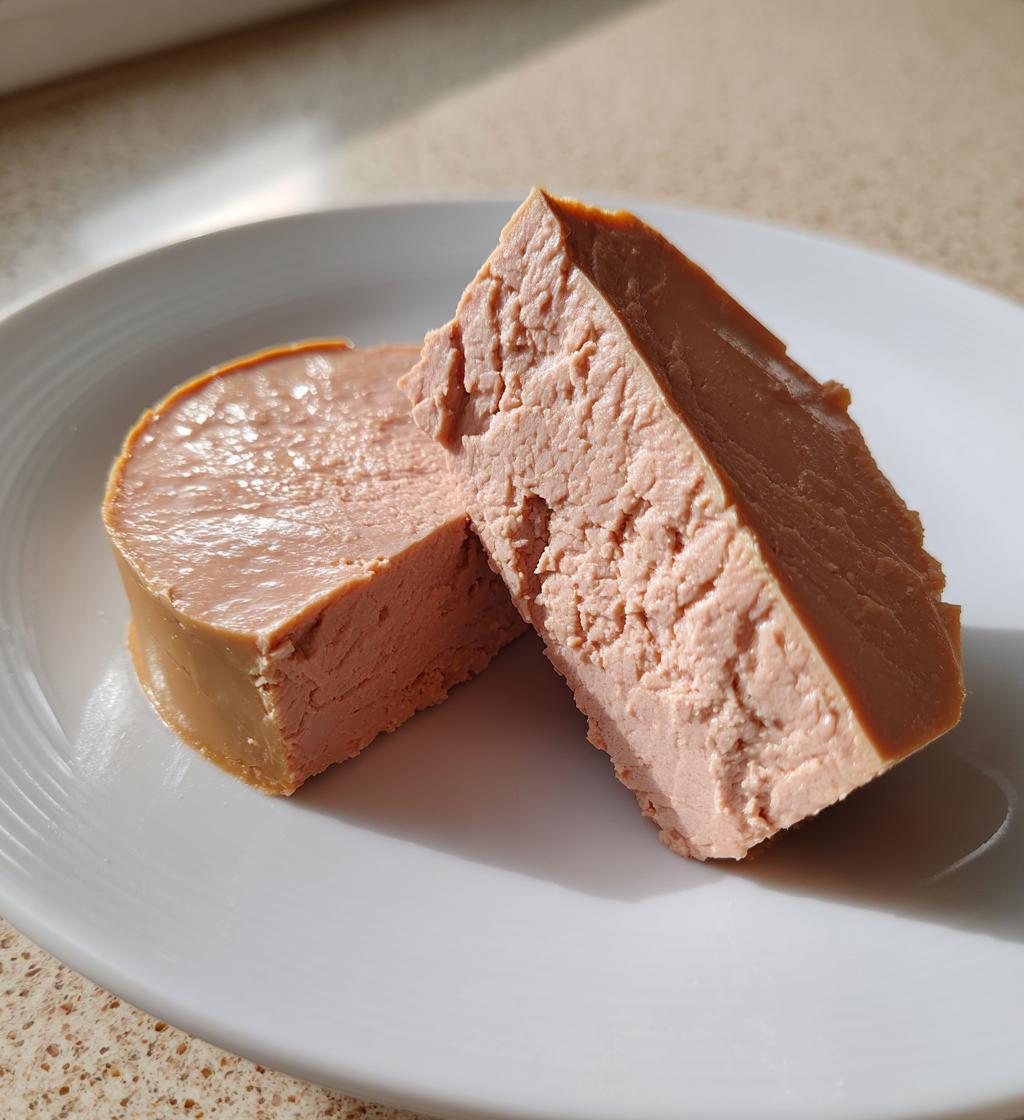
Oh, let me tell you about the first time I fell in love with foie gras recette maison—it was at a tiny bistro in Paris, where the chef proudly served his homemade version. The moment that creamy, rich slice hit my tongue, I knew I had to learn to make it myself. Turns out? It’s way simpler than you’d think! With just a few quality ingredients and a little patience (okay, mostly waiting for it to chill), you can create this luxurious French classic at home. Trust me, once you try your own, store-bought just won’t cut it. Let’s dive in!
Why You’ll Love This Foie Gras Recette Maison
- Unbelievably rich flavor—so creamy it practically melts on your tongue
- Impressive yet simple—your guests will think you slaved for days
- Only 4 ingredients (and one’s optional!) for pure, luxurious taste
- Make-ahead magic—chill time does all the work for you
- Versatile star—equally perfect for fancy dinners or indulgent solo nights
Ingredients for Foie Gras Recette Maison
(Psst—don’t let the fancy name fool you. You only need a handful of things to make magic happen. But here’s the deal: quality matters. Splurge on the best foie gras you can find—it makes ALL the difference.)
- 1 whole duck or goose foie gras (about 500g)—look for one that’s plump, pink, and fresh
- 5g fine sea salt (not coarse! You want it to dissolve evenly)
- 2g freshly ground black pepper (grind it yourself for maximum flavor)
- 10ml cognac or Armagnac (optional, but oh-so-worth it for that subtle depth)
See? Told you it was simple. The real work comes in the technique—but we’ll get to that next!
Essential Equipment for Foie Gras Recette Maison
Okay, confession time: I once tried making foie gras with just a butter knife and a baking dish. Big mistake. Here’s what you actually need to nail this recipe (plus some smart swaps if you’re improvising):
- A sharp paring knife—those veins won’t remove themselves, and a dull blade will massacre the delicate liver
- Terrine mold (the classic choice!)—but a loaf pan works in a pinch (just line it with parchment)
- Kitchen thermometer—non-negotiable! 90°C is the sweet spot, and guessing could ruin your masterpiece
- Roasting pan (for the water bath)—deep enough to hold your mold with 2-3cm hot water surrounding it
- Cheesecloth (optional but helpful)—for pressing out any excess fat after cooking
No fancy gadgets required—just these basics. And hey, if you don’t own a terrine mold? That loaf pan trick saved me twice when hosting last-minute dinner parties. The foie gras won’t judge!
How to Prepare Foie Gras Recette Maison
Alright, here’s where the magic happens! Don’t let the fancy French name intimidate you—I’ll walk you through each step like I’m right there in your kitchen (wine glass in hand, naturally). The key? Take your time and treat that foie gras like the delicate treasure it is.
Cleaning and Seasoning the Foie Gras
- Gently separate the lobes—foie gras usually comes in two parts. Use your fingers to carefully pry them apart where they naturally divide.
- Remove the veins—this is the only fussy part! With a small paring knife (and maybe some patience), follow the visible veins and lift them out. Think of it like removing seams from fabric—slow and steady wins the race.
- Season generously—sprinkle the salt and pepper evenly over all sides. If using cognac, drizzle it on now and let it soak in for 5 minutes while you prep the mold.
- Press into the mold—pack the seasoned foie gras snugly into your terrine or loaf pan, smoothing the top with a spoon. No air pockets!
Cooking in a Water Bath
- Preheat your oven to 90°C (194°F)—yes, that low! This isn’t a rush job.
- Create the water bath—place your filled mold in a roasting pan, then pour hot water around it until it comes halfway up the sides.
- Bake for 30 minutes—use that thermometer to check the center hits exactly 54°C (129°F). Any hotter and it’ll turn grainy—trust me, I learned this the hard way!
- Rest briefly—remove from the water bath and let sit for 10 minutes before transferring to the fridge.
Chilling and Serving
- Chill for 24 hours—minimum! This sets the texture and lets flavors deepen. Cover with plastic wrap pressed directly onto the surface to prevent oxidation.
- Slice cold—use a knife dipped in hot water for clean cuts. Serve straight from the fridge for that perfect, velvety consistency.
- Bonus tip—if you see some fat pooling on top after chilling? That’s liquid gold! Spoon it over your slices for extra shine and flavor.
See? Not so scary after all. The waiting is the hardest part—but oh, the payoff when you slice into that creamy perfection!
Tips for Perfect Foie Gras Recette Maison
After making (and messing up!) more foie gras than I care to admit, I’ve learned a few secrets that’ll save you from my mistakes. These aren’t just tips—they’re your ticket to restaurant-quality results at home. Listen close, because nobody wants a grainy or bland foie gras disaster!
- Buy the good stuff—look for fresh, Grade A foie gras that’s pink (not gray!) and feels firm but supple. If it smells overly metallic, walk away. I get mine from a local duck farmer—the difference is night and day.
- Temperature is everything—that water bath MUST stay at 90°C (194°F). I keep my oven thermometer right next to the pan to babysit it. Overcooking turns creamy into crumbly, and we’re not making pâté here!
- Salt like a pro—skip the iodized stuff. Fine sea salt dissolves evenly and lets the foie gras shine. And don’t be shy—it needs more seasoning than you’d think to balance the richness.
- Chill out—literally—that 24-hour wait isn’t optional. Rushing it? The texture won’t set properly. I once served it after 12 hours and wanted to cry when it slumped on the plate. Patience = perfection.
- Sharp knives only—whether cleaning veins or slicing, a dull blade will tear instead of cut. I keep a paring knife just for foie gras duty (and yes, I guard it like Gollum with the One Ring).
There you go—my hard-earned wisdom in a nutshell. Follow these, and you’ll be the foie gras hero at every dinner party. (Just maybe don’t mention how easy it actually is… let them keep thinking you’re a culinary wizard!)
Serving Suggestions for Foie Gras Recette Maison
Alright, here’s where we take your glorious homemade foie gras from „wow” to „OH MY GOODNESS.” Because let’s be real—this rich, velvety masterpiece deserves accompaniments that match its elegance. But don’t stress! I’m all about simple pairings that let the foie gras shine. Here are my go-to favorites:
- Toasted brioche—my absolute must! That slight sweetness and pillowy texture? Perfection. Cut into thin slices and toast lightly—you want golden, not crunchy.
- Fig jam or onion confit—a tiny dollop cuts through the richness beautifully. I swear by my grandma’s fig jam recipe, but store-bought works in a pinch.
- Crisp white wine—Sauternes is classic, but a good dry Riesling or Champagne works magic too. The acidity balances the fat like a dream.
- Fleur de sel—just a whisper on top right before serving. Those crunchy salt flakes? *Chef’s kiss*.
- Sliced green apple or pear—for a refreshing crunch. Bonus points if you quick-pickle the apples for extra zing!
- Microgreens—not just for looks! A few delicate leaves add freshness without overpowering.
Pro tip from my Parisian kitchen fails: serve everything at the right temp. Foie gras straight from the fridge (cold but not ice-cold), bread warm, wine chilled. And presentation? Keep it simple—a slate board or white plate lets that gorgeous terrine be the star.
Storing and Reheating Foie Gras Recette Maison
Now listen up—this part is *crucial*. After all that work, you don’t want to ruin your beautiful foie gras with bad storage habits (I’ve been there—so heartbreaking!). Here’s how to keep it tasting like you just pulled it from the fridge at a Parisian bistro:
- Fridge storage: Wrap the whole terrine tightly in plastic wrap (press it right against the surface to prevent air contact). It’ll keep for up to 5 days, but let’s be real—it’s usually gone by day 3 in my house!
- Freezing: Yes, you can! Slice it first, then layer slices between parchment paper in an airtight container. Freeze for up to 1 month. Thaw overnight in the fridge—never at room temp (unless you enjoy weeping over separated fat).
- Reheating: Just… don’t. Seriously! Foie gras is meant to be served chilled. If you absolutely must, let it sit at room temp for 10 minutes max—but microwaving should be illegal (it’ll turn into a greasy puddle of regret).
- Leftover slices? Press them between brioche with a smear of jam for the fanciest grilled cheese ever. (You’re welcome.)
One last tip: If you see a little fat pooling after storage? That’s normal! Just spoon it back over the slices before serving—it’s like nature’s shiny finishing sauce.
Nutritional Information
Let’s be real—if you’re eating foie gras, you’re not counting calories. But just so you know what you’re indulging in (and maybe to justify that extra slice to yourself), here’s the lowdown. Nutrition varies by ingredients, but for a standard 50g serving of this recipe, you’re looking at roughly:
- 200 calories—worth every single one
- 20g fat (8g saturated)—yes, it’s rich, but that’s the whole point
- 0g carbs—unless you pile on the brioche (and you should)
- 5g protein—surprisingly decent for such a luxurious treat
Now, no guilt allowed—this is pure, unapologetic enjoyment. Pair it with a crisp salad later if you must, but for now? Savor every velvety bite.
FAQs About Foie Gras Recette Maison
Okay, I get asked these questions ALL the time—so let’s clear up the biggest foie gras mysteries right now. (And yes, I’ve made all these mistakes myself so you don’t have to!)
Can I use chicken liver instead?
Oh honey, no. I tried this once in a pinch and—wow—was that a disappointment. Chicken liver turns grainy and lacks that luxurious melt-in-your-mouth texture. Foie gras specifically comes from fattened duck or goose livers, which have that magical high fat content. Save the chicken livers for pâté!
Is the cognac really necessary?
Here’s the truth: it’s optional but transformative. The alcohol cooks off, leaving behind this subtle depth that makes people go “Hmm, what IS that amazing flavor?” That said, if you don’t have cognac or Armagnac, the recipe still works beautifully—just maybe add an extra pinch of salt to compensate.
How do I know when it’s cooked perfectly?
Two foolproof signs: 1) The internal temp hits exactly 54°C (129°F)—this is where your thermometer earns its keep. 2) It should feel firm but still slightly jiggly when you gently shake the mold, like barely set crème brûlée. Pro tip: It firms up more while chilling, so err on the underdone side!
There you have it—the top three foie gras questions answered from (sometimes bitter) experience. Now go forth and conquer that terrine with confidence!
Print
Kremowe domowe foie gras – tylko 4 składniki
- Total Time: 24 hours 50 minutes
- Yield: 4-6 servings 1x
- Diet: Low Lactose
Description
Learn how to make homemade foie gras with this simple recipe.
Ingredients
- 1 whole duck or goose foie gras (about 500g)
- 5g salt
- 2g freshly ground black pepper
- 10ml cognac or Armagnac (optional)
Instructions
- Clean the foie gras by removing any veins with a small knife.
- Season the foie gras with salt and pepper.
- Add cognac or Armagnac if using.
- Press the foie gras into a terrine mold.
- Cook in a water bath at 90°C (194°F) for about 30 minutes.
- Chill in the refrigerator for at least 24 hours before serving.
Notes
- Use fresh, high-quality foie gras for best results.
- Serve chilled with toasted bread or brioche.
- Prep Time: 20 minutes
- Cook Time: 30 minutes
- Category: Appetizer
- Method: Baking
- Cuisine: French
Nutrition
- Serving Size: 50g
- Calories: 200
- Sugar: 0g
- Sodium: 150mg
- Fat: 20g
- Saturated Fat: 8g
- Unsaturated Fat: 10g
- Trans Fat: 0g
- Carbohydrates: 0g
- Fiber: 0g
- Protein: 5g
- Cholesterol: 150mg
Keywords: foie gras, homemade foie gras, duck liver, French appetizer