
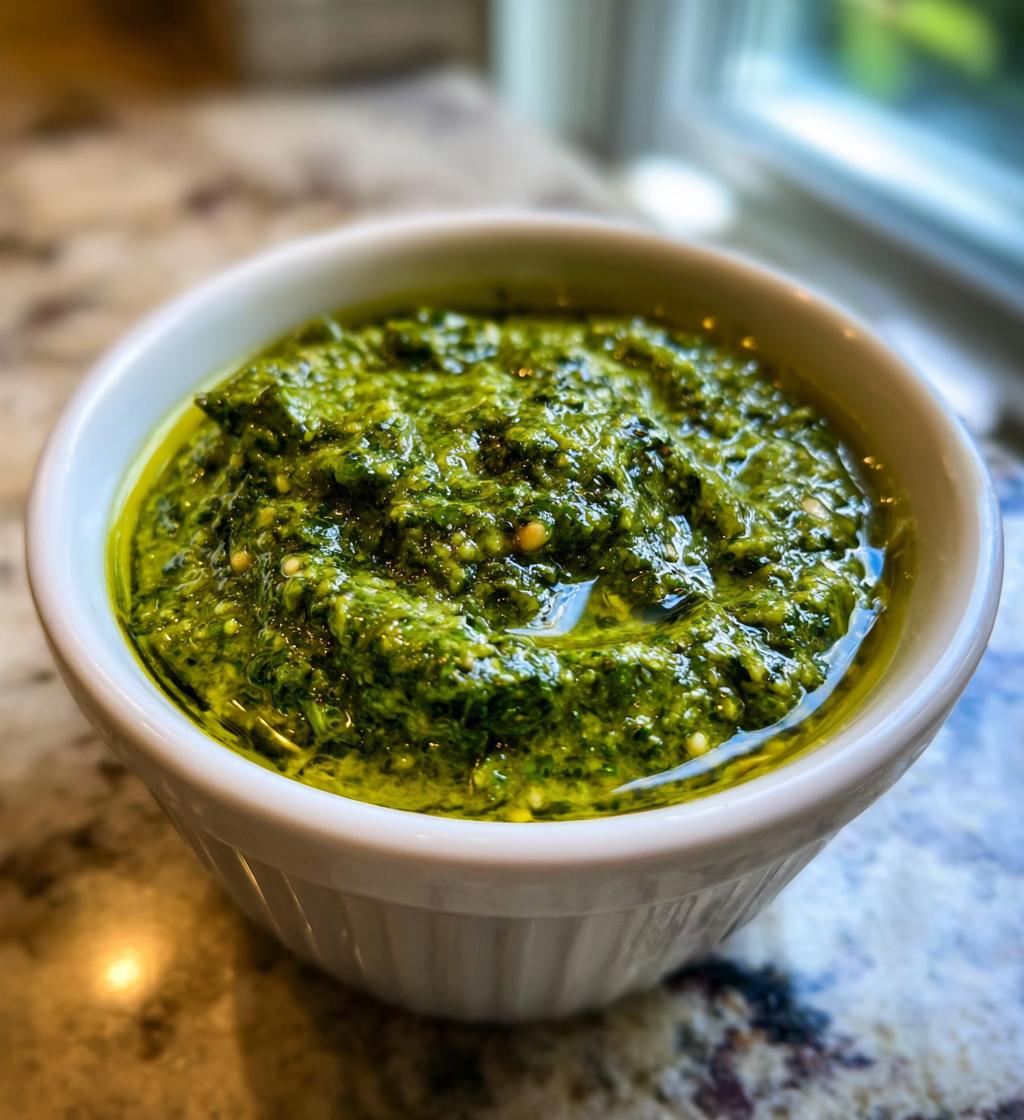
Oh, basil—how do I love thee? Let me count the ways! This fragrant, vibrant herb has been my kitchen sidekick for years, and I’m constantly finding new basil uses that surprise even me. From tossing it into summer salads to blending it into dreamy pesto (my personal obsession), basil brings a fresh, peppery kick to everything it touches. I’ll never forget the first time I grew my own basil plant—sniffing those leaves was like bottling sunshine. Whether you’re a pesto pro or just starting to experiment, I’m here to share my favorite ways to make basil the star of your cooking. Trust me, once you start, you’ll want to put it in *everything*.
Why You’ll Love These Basil Uses
- Instant flavor boost—fresh basil turns simple dishes into something special
- So versatile—works in Italian, Thai, and even cocktails (yes, really!)
- Takes just minutes to transform into pesto, the ultimate sauce MVP
- That fresh, peppery aroma will make your kitchen smell incredible
- Pairs perfectly with tomatoes, garlic, lemon—basically all the good stuff
- Bright green color makes every plate look restaurant-worthy
- Easy to grow at home (my windowsill plant keeps me stocked all summer)
- Health bonus: packed with antioxidants and anti-inflammatory properties
- Freezer-friendly—preserve that summer freshness for months
- Kids love it too (my niece calls it „the happy smelling leaf”)
Ingredients for Basil Pesto
(Tip: You’ll find the full list of ingredients and measurements in the recipe card below.)
- 1 cup fresh basil leaves, packed (trust me, pack them in!)
- 2 cloves garlic, minced (or more if you’re garlic-obsessed like me)
- 1/4 cup olive oil (the good stuff—it makes a difference)
- 1/4 cup pine nuts (toasted = next-level flavor)
- 1/2 cup grated Parmesan cheese (freshly grated, please!)
- Salt to taste (start with a pinch and go from there)
How to Make Basil Pesto
Making pesto is one of my favorite basil uses—it’s quick, easy, and tastes like summer in a bowl. Here’s how I do it:
Preparing the Basil
- Gently rinse your basil leaves under cool water (no rough handling—those tender leaves bruise easily!).
- Pat them completely dry with paper towels or spin in a salad spinner (water is pesto’s enemy—trust me on this).
Blending the Ingredients
- Toss basil, garlic, and pine nuts into your food processor (a blender works in a pinch).
- Pulse 5-6 times until everything’s finely chopped—don’t overdo it!
- With the motor running, slowly drizzle in olive oil through the feed tube (this makes it gloriously creamy).
- Scrape down sides, add Parmesan and salt, then pulse just until combined (overmixing makes it bitter).
Storing Your Pesto
- Spoon into an airtight jar, press plastic wrap directly onto the surface (keeps it green!), and refrigerate.
- For longer storage, freeze in ice cube trays—perfect for tossing into future pastas!
Tips for Perfect Basil Pesto
- Always use fresh basil—dried just won’t give you that vibrant flavor or color.
- Toast those pine nuts for 2-3 minutes in a dry pan—it adds an amazing nutty depth.
- Don’t skimp on the olive oil—a good quality extra virgin makes all the difference.
- Stop blending before it’s totally smooth—a little texture makes pesto more interesting.
- Taste as you go—sometimes it needs an extra pinch of salt or squeeze of lemon.
Creative Basil Uses Beyond Pesto
Okay, pesto might be my go-to basil use, but oh man, this herb is a total kitchen rockstar in so many other ways! Here’s how I love to use it:
- Caprese everything: Layer basil with tomato and mozzarella—on salads, sandwiches, or just eat it straight off the plate (no judgment).
- Infuse oils & vinegars: Stuff a jar with basil, cover with olive oil or vinegar, and let it work its magic for dressings or bread dipping.
- Fancy up your drinks: Muddle basil in lemonade or mojitos—that fresh herbal kick is *chef’s kiss*.
- Homemade herb butter: Chop basil into softened butter with garlic—spread it on warm bread and try not to swoon.
- Surprise dessert garnish: A basil leaf on strawberry shortcake or peach cobbler? Unexpected and amazing.
- Quick herb salts: Dry basil with coarse salt in the oven—sprinkle it on roasted veggies or popcorn.
- Emergency air freshener: Crush a few leaves in your hands when your kitchen needs a fresh vibe (my grandma’s trick!).
Serving Suggestions
Oh, the possibilities! I love tossing pesto with hot pasta (hello, instant dinner), slathering it on crusty bread, or drizzling over grilled veggies. Try swirling it into scrambled eggs or as a pizza base—basically anywhere you want a burst of fresh, herby goodness!
Storage and Reheating
Store pesto in an airtight jar in the fridge for up to 5 days—press plastic wrap directly on the surface to keep it green. For longer storage, freeze in ice cube trays (my lifesaver!), then thaw overnight in the fridge. No reheating needed—just stir and enjoy that fresh basil flavor!
Nutritional Information
Since we’re all about real, fresh ingredients here, the exact nutrition can vary based on your specific basil, cheese, and olive oil—but hey, that’s the beauty of homemade! Generally speaking, basil pesto packs a punch of healthy fats from olive oil and nuts, a good dose of calcium from Parmesan, and all those wonderful antioxidants from fresh basil leaves. (Fun fact: my Italian nonna swore basil kept her young—and at 92, I think she was onto something!) Just remember, nutritional values will shift if you tweak the recipe, so adjust accordingly if you’re watching specific dietary needs.
Frequently Asked Questions
Can I use dried basil instead of fresh?
Oh, I wish! But honestly, dried basil just doesn’t bring the same vibrant flavor or color to pesto. Fresh is absolutely worth it—those fragrant leaves make all the difference. If you’re desperate, try half the amount of dried, but promise me you’ll switch to fresh next time!
How long does homemade pesto last?
In the fridge, it’ll stay fresh about 5 days (just keep that plastic wrap pressed right on the surface). But my freezer trick? Pesto cubes last up to 3 months—perfect for when you need a quick pasta rescue!
Can I make pesto without nuts?
Totally! Swap pine nuts for walnuts, almonds, or even sunflower seeds for nut-free versions. Sometimes I skip nuts altogether—still delicious, just a different texture.
Why did my pesto turn brown?
Don’t panic! Basil oxidizes when exposed to air. That’s why pressing plastic wrap directly on the surface is my #1 trick. A squeeze of lemon juice helps too—plus it adds a nice zing!
Try this recipe and share your pesto creations with me—I’d love to hear your favorite basil uses!
Print
10 Genius Basil Uses to Transform Your Cooking Instantly
- Total Time: 10 minutes
- Yield: 1 cup 1x
- Diet: Vegetarian
Description
Learn the best ways to use basil in your cooking and beyond.
Ingredients
- 1 cup fresh basil leaves
- 2 cloves garlic
- 1/4 cup olive oil
- 1/4 cup pine nuts
- 1/2 cup grated Parmesan cheese
- Salt to taste
Instructions
- Wash and dry the basil leaves.
- Combine basil, garlic, and pine nuts in a food processor.
- Pulse until finely chopped.
- Slowly add olive oil while processing.
- Mix in Parmesan cheese and salt.
- Store in an airtight container or use immediately.
Notes
- Use fresh basil for the best flavor.
- Store pesto in the fridge for up to a week.
- Freeze extra pesto in ice cube trays for later use.
- Prep Time: 10 minutes
- Cook Time: 0 minutes
- Category: Condiment
- Method: No-Cook
- Cuisine: Italian
Nutrition
- Serving Size: 2 tablespoons
- Calories: 120
- Sugar: 0g
- Sodium: 100mg
- Fat: 12g
- Saturated Fat: 2g
- Unsaturated Fat: 8g
- Trans Fat: 0g
- Carbohydrates: 2g
- Fiber: 1g
- Protein: 3g
- Cholesterol: 5mg
Keywords: basil, pesto, Italian, herb, cooking