
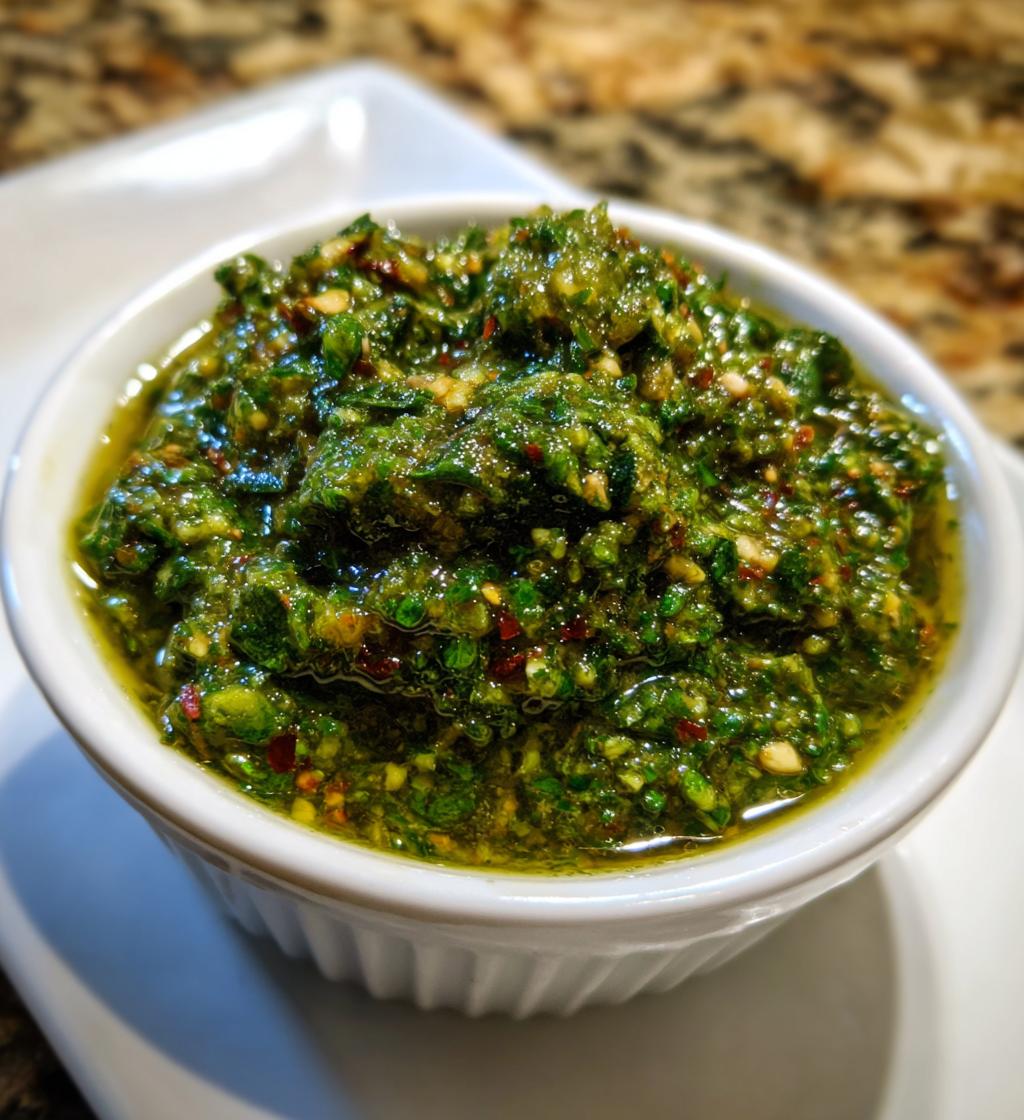
You know that moment when you crush a fresh basil leaf between your fingers and that incredible aroma hits you? That’s what I call „basil emotions”—that instant burst of joy and comfort this magical herb brings. I swear, just smelling basil transports me straight to my grandma’s kitchen, where she’d make the most amazing pesto. Whether you’re cooking to unwind, impress, or just feed your soul, basil has this way of turning simple dishes into something special. Today, I’m sharing my go-to basil pesto recipe that never fails to lift my mood. Trust me, once you taste it, you’ll feel those basil emotions too!
Why You’ll Love This Basil Emotions Recipe
- Instant mood boost—that fresh basil aroma is pure happiness!
- Takes just 10 minutes to whip up (perfect for when you need a quick comfort food fix)
- Transforms basic pasta or bread into something magical
- Packed with bright, herby flavor that tastes like summer in every bite
- Makes your kitchen smell absolutely incredible while you make it
- Super versatile—use it on pizza, sandwiches, eggs… get creative!
- Feels fancy but uses simple ingredients you probably already have
- Great way to use up that basil plant that’s taking over your windowsill
- Freezes beautifully so you can enjoy those basil emotions anytime
- Just try not to eat it straight from the food processor—I dare you!
Ingredients for Basil Emotions
(Psst—you’ll find the full measurements in the recipe card below, but here’s what you’ll need to gather!)
- 2 cups fresh basil leaves (packed—trust me, you want that herby goodness!)
- 1/4 cup olive oil (the good stuff—it makes all the difference)
- 2 cloves garlic, minced (adjust if you’re not a garlic fiend like me)
- 1/4 cup pine nuts, lightly toasted (that toasty flavor? *Chef’s kiss*)
- 1/2 cup grated Parmesan cheese (freshly grated melts so much better)
- Salt to taste (start with a pinch—you can always add more)
Pro tip: If your basil has thick stems, give them a quick chop before measuring—those tender leaves are what we’re after!
How to Make Basil Emotions
Okay, friend—let’s turn that pile of fresh basil into pure magic. This is where the fun begins!
Preparing the Basil
- Gently wash your basil leaves in cool water—no rough handling! I like to swish them in a bowl to keep them from bruising.
- Dry them thoroughly with a salad spinner or pat between paper towels. Water is the enemy of good pesto (it’ll make it watery and sad).
- Pick off any thick stems—the tender leaves blend up so much nicer. Don’t stress about small stems though!
Blending the Ingredients
- Pulse first! Toss the basil, garlic, and pine nuts into your food processor. Pulse 5-6 times until everything’s finely chopped—don’t just hit “blend” or you’ll end up with basil mush.
- Slow drizzle the olive oil through the feed tube while the processor runs. You’re aiming for a vibrant green paste that still has a tiny bit of texture.
- Scrape down the sides halfway through—those sneaky garlic chunks love to hide!
Final Touches
- Stir in the Parmesan by hand (the processor can make it gummy). Fold it in until just combined.
- Salt to taste—start with 1/4 tsp, mix, then taste. I always end up adding more because salty pesto on crusty bread? Yes please.
- Adjust as needed—too thick? Add a splash more oil. Too sharp? A squeeze of lemon balances it beautifully.
And there you have it—your very own jar of happiness! Now try not to eat it all with a spoon before dinner…
Tips for Perfect Basil Emotions
Want to take your pesto from good to „Oh wow!”? Here are my secret moves:
- Toast those pine nuts—just 2-3 minutes in a dry pan until golden. The nutty flavor’s worth the extra step!
- Use the best olive oil you’ve got—this is where cheap stuff really shows. I save my fancy bottle just for pesto.
- Blanch basil first (dunk in boiling water for 10 sec, then ice water) if you want that crazy-bright green color.
- No pine nuts? Walnuts or almonds work great—just chop them first so they blend smoothly.
- Leave it chunky if you’re using it as a bruschetta topping—extra texture is delicious!
Pro tip: Rub a cut garlic clove around your serving bowl for an extra flavor kick. You’re welcome!
Serving Suggestions for Basil Emotions
Oh, the places your pesto can go! Here’s how I love to use this vibrant sauce (though honestly, it’s hard to resist eating it straight from the jar):
- Toss with pasta—classic! I use about 2 tbsp per serving of hot pasta, thinning it with a splash of pasta water. Bonus: Top with extra Parmesan and toasted pine nuts.
- Slather on crusty bread—my favorite quick appetizer. Grill the bread first if you want next-level deliciousness.
- Drizzle over scrambled eggs or fold into omelets. Seriously, breakfast just got fancy.
- Swirl into soups—especially tomato or minestrone. A dollop right before serving adds insane freshness.
- Mix with mayo for the world’s best sandwich spread (turkey pesto panini, anyone?).
- Dress roasted veggies—asparagus, zucchini, or potatoes become instantly more exciting.
- Top grilled chicken or fish. That herby punch cuts through rich flavors perfectly.
Honestly? My „serving suggestion” is usually just a spoon and zero regrets. But if you want to get civilized with it, these ideas won’t disappoint!
Storing Basil Emotions
Okay, confession time—I rarely have leftovers because this pesto disappears FAST in my house. But if you manage to save some (good for you, showing restraint!), here’s how to keep that vibrant flavor intact:
- Airtight is key: Transfer your pesto to a small jar or container, press plastic wrap directly onto the surface (this prevents oxidation—no one likes brown pesto!), then seal tightly.
- Fridge life: Stays fresh for about 5 days, but the color starts fading after day 3. Stir in a little fresh olive oil if it darkens.
- Freezer hack: Spoon portions into an ice cube tray, freeze solid, then pop the cubes into a freezer bag. Instant pesto portions anytime! (Lasts up to 6 months.)
- Thawing tip: Move frozen pesto to the fridge overnight or let the cube sit at room temp for 30 minutes. Never microwave—it separates the oil!
Pro tip: If freezing, leave out the cheese and stir it in after thawing—it keeps the texture perfect. And hey, if your pesto does turn slightly darker? Still tastes amazing—just stir vigorously before using!
Nutritional Information
Just a heads up—these numbers are estimates since ingredients can vary (like how much olive oil you actually use or if you go heavy on the cheese… no judgment here!). But here’s the general breakdown per 2-tablespoon serving:
- Calories: 120 (worth every single one!)
- Fat: 12g (9g unsaturated—the good kind from olive oil and nuts)
- Saturated Fat: 2g
- Protein: 2g (cheese power!)
- Carbs: 1g (basically carb-free happiness)
- Sodium: 50mg (adjust if you’re watching salt—easy to reduce)
Honestly? I don’t count calories when it comes to pesto—life’s too short! But if you’re tracking, now you’ve got the basics. Remember, fresh ingredients = good-for-you vibes.
Frequently Asked Questions
Can I use dried basil instead of fresh?
Oh, I wish! But honestly, dried basil just doesn’t give you those bright „basil emotions” we’re after—it tastes more like dusty herbs than that vibrant, summery punch. If you’re in a pinch, try using half the amount of dried basil rehydrated in warm water, but fresh is 100% the way to go for real pesto magic.
How long does homemade pesto last?
In the fridge? About 5 days if stored properly (with that plastic wrap pressed right on the surface!). The color fades faster than the flavor though, so don’t freak out if it darkens a bit. Give it a stir, add a fresh drizzle of oil, and it’ll still taste amazing!
Can I make this without nuts?
Absolutely! If allergies are a concern or you just don’t have pine nuts, try sunflower seeds (my favorite swap) or just leave them out entirely. The texture will be slightly different, but you’ll still get all that glorious basil flavor.
Why did my pesto turn brown?
Don’t panic—that’s just oxidation! Basil is like that dramatic friend who reacts to air exposure. Pressing plastic wrap directly on the surface helps, or you can stir in a tiny bit of lemon juice before storing. Either way, it’ll still taste delicious—promise!
Can I freeze pesto?
Yes, and you totally should! I freeze pesto in ice cube trays for single-serving portions. Just thaw in the fridge overnight (no microwave—it’ll separate!). Pro tip: Leave out the cheese if freezing and stir it in after thawing for best texture.
Share Your Basil Emotions
Okay, now it’s your turn! Did this pesto give you those bubbly „basil emotions” like it does for me? I’d love to hear how your version turned out—did you go classic with pine nuts, get creative with walnuts, or maybe try something wild like adding a pinch of chili flakes for heat? Drop a comment below with your pesto adventures (or disasters—we’ve all been there!).
Tag me on Instagram with your vibrant green creations—I’ll be waiting to see your #BasilEmotions kitchen moments! And hey, if you have a genius pesto hack I haven’t tried yet, spill the beans (or should I say, spill the pine nuts?). Your tips might just make it into my next batch!
Happy pesto-making, friends—may your basil be fresh, your cheese be plentiful, and your food processor never quit on you mid-blend. Now go spread that herby joy!
Print
10-Minute Basil Emotions Pesto That Sparks Pure Joy
- Total Time: 10 minutes
- Yield: 1 cup 1x
- Diet: Vegetarian
Description
Explore the emotional and culinary benefits of basil in your cooking.
Ingredients
- 2 cups fresh basil leaves
- 1/4 cup olive oil
- 2 cloves garlic
- 1/4 cup pine nuts
- 1/2 cup grated Parmesan cheese
- Salt to taste
Instructions
- Wash and dry the basil leaves.
- Combine basil, garlic, and pine nuts in a food processor.
- Pulse until finely chopped.
- Slowly add olive oil while processing.
- Mix in Parmesan cheese and salt.
- Serve immediately or store in the fridge.
Notes
- Use fresh basil for best flavor.
- Adjust garlic to taste.
- Store in an airtight container.
- Prep Time: 10 minutes
- Cook Time: 0 minutes
- Category: Sauce
- Method: No-Cook
- Cuisine: Italian
Nutrition
- Serving Size: 2 tablespoons
- Calories: 120
- Sugar: 0g
- Sodium: 50mg
- Fat: 12g
- Saturated Fat: 2g
- Unsaturated Fat: 9g
- Trans Fat: 0g
- Carbohydrates: 1g
- Fiber: 0g
- Protein: 2g
- Cholesterol: 5mg
Keywords: basil, pesto, Italian, sauce, vegetarian